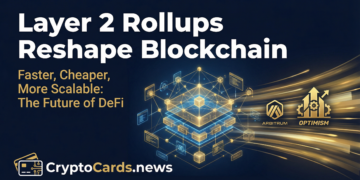




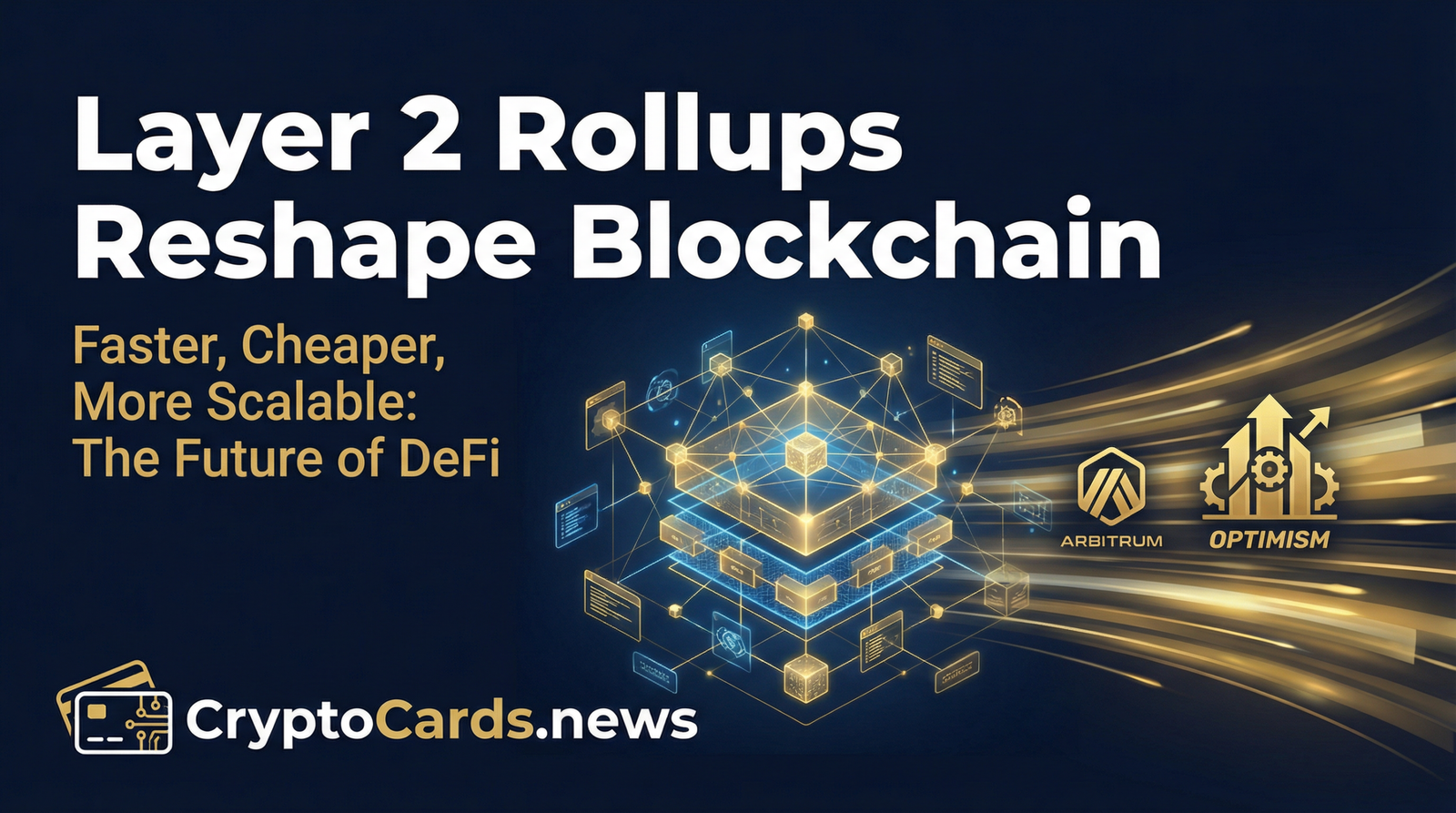
Ethereum Layer 2 rollups have emerged as the game-changing solution redefining blockchain scalability and user experience in 2026. As the blockchain ecosystem continues its rapid evolution, Ethereum’s scalability challenges have remained a central concern since its inception. More than ever, developers, enterprises, and users demand faster transaction speeds, reduced gas fees, and seamless interoperability without compromising security. Enter Ethereum Layer 2 rollups—a technological breakthrough that consolidates transactions off the main Ethereum chain while anchoring their security on Layer 1. This innovative architecture enables exponentially higher throughput and drastically lowers transaction costs, effectively addressing Ethereum’s inherent congestion issues. As of April 2026, Layer 2 rollups are no longer experimental but have become foundational to Ethereum’s infrastructure, driving mass adoption and unlocking new DeFi, NFT, and enterprise use cases globally.
Layer 2 rollup solutions have flourished amidst a maturing blockchain environment, marked by Ethereum’s transition to proof-of-stake and widening adoption of zero-knowledge proofs and optimistic rollup frameworks. The rollup technology aggregates hundreds or thousands of transactions into succinct proofs, thereby reducing the data load on Ethereum’s base layer. This allows decentralized applications (dApps) to operate at near-instant speeds with transaction fees sometimes 100 times cheaper than their Layer 1 counterparts. In 2026, numerous Layer 2 providers have achieved interoperability through native bridges and shared sequencers, creating a robust, scalable multi-rollup ecosystem. This interoperability trend is instrumental in fostering a unified user experience across different rollups, consequently reshaping how blockchain scalability is approached across the entire crypto space.


The Evolution and Technology Behind Ethereum Layer 2 Rollups
Layer 2 rollups emerged as a crucial scalability solution designed to circumvent Ethereum’s MEV (maximum extractable value) and gas price volatility that plagued users in earlier years. The foundational idea of rollups is to bundle multiple transactions off-chain and generate cryptographic proofs or state commitments anchored on Layer 1, thus ensuring security while offloading computation and storage. There are mainly two types of rollups that have gained traction: optimistic rollups and zero-knowledge (ZK) rollups. Optimistic rollups operate on a fraud-proof mechanism, assuming transactions are valid and allowing anyone to challenge suspicious state updates, which promotes decentralization but entails a challenge period. Zero-knowledge rollups, meanwhile, generate validity proofs mathematically verifying transaction correctness, resulting in instant finality and enhanced throughput. Both approaches have successfully scaled Ethereum, albeit with slightly different trade-offs related to speed, cost, and developer experience.
From 2022 to 2026, the rapid maturation of zk-rollup cryptographic protocols, such as PLONK and Halo, accompanied by hardware accelerations, has drastically improved proof generation times and minimalized verification costs. Meanwhile, optimistic rollups refined their dispute resolution mechanisms and introduced hybrid models to optimize user experience. Ethereum’s continued protocol upgrades, including EIP enhancements addressed to improve data availability and transaction inclusion guarantees, have complemented Layer 2 designs. Developers have also leveraged rollup-centric frameworks like StarkNet and zkSync to launch robust dApps that offer near-native Ethereum security with drastically reduced fees. The technological synergy between Ethereum’s Layer 1 upgrades and Layer 2 rollups signifies a fundamental paradigm shift towards scalable, sustainable blockchain infrastructure where user-centric performance doesn’t compromise decentralization.
Impact of Layer 2 Rollups on Decentralized Finance and NFTs
Decentralized Finance (DeFi) platforms, once hindered by Ethereum’s high gas fees and slow confirmations, have experienced transformative growth courtesy of Layer 2 rollups. By migrating their transactions to rollup networks, these platforms can now offer lightning-fast swaps, lending protocols, and yield farming with transaction costs slashed to a fraction of what they were on Layer 1. This affordability and speed have unlocked unprecedented retail investor participation and institutional interest alike. Moreover, rollup solutions have enabled programmable fee structures and batched transaction models that optimize capital efficiency and user incentives. Notably, leading DeFi protocols have embraced Layer 2 as their primary deployment target, sparking an ecosystem-wide uplift in throughput and user experience. The composability of DeFi across various rollups, facilitated by cross-rollup messaging protocols, has birthed new multi-chain liquidity aggregators and synthesized asset classes, revolutionizing decentralized finance in 2026.
The Non-Fungible Token (NFT) market has equally benefited from the scalability renaissance that rollups provide. Fast and cheap transactions have invigorated NFT minting, trading, and gaming ecosystems, reducing barriers for artists, collectors, and gamers. Layer 2 rollups empower developers to build interactive NFT experiences with dynamic metadata and real-time gameplay mechanics that were impractical under high Layer 1 fees. More importantly, cross-rollup NFT bridges and shared asset registries support seamless NFT interoperability, allowing assets to manifest across different rollups while preserving authenticity and ownership. This interoperability fuels vibrant secondary markets and collaborative creative projects across disparate chains. Consequently, the NFT sector has seen a diversification in use cases and larger community engagement in 2026, positioning Ethereum rollups as an infrastructural cornerstone for the next generation of digital collectibles.
Challenges and Risks Associated with Rollup Adoption
Despite their prolific advantages, Ethereum Layer 2 rollups present complex challenges and potential risks that merit close attention. One significant concern is the reliance on data availability—ensuring that all transaction data is accessible to users and validators, which is critical for maintaining censorship resistance and trustlessness. While numerous rollup providers have implemented data availability committees or decentralized publishing strategies, the possibility of data withholding attacks remains a vector for novel security risks. Furthermore, optimistic rollups’ challenge periods can delay transaction finality, complicating user experience in time-sensitive scenarios. Another issue revolves around the emerging centralization tendencies within the rollup sequencer model, where a single operator manages transaction ordering—this introduces potential censorship or front-running risks, and it demands greater transparency and decentralization over time.
User onboarding and interoperability impose additional layers of complexity. Layer 2 rollups often require users to bridge assets from Layer 1, which entails smart contract risk and lengthy exit times, particularly in optimistic rollups. Although cross-rollup bridges have improved, they are still nascent in security audits and trust guarantees, exposing users to fraud or insolvency risks. Additionally, the overlapping and fragmented landscape of multiple rollups necessitates unified wallet standards and user interfaces to avoid confusing onboarding processes. The evolving regulatory environment also presents unknown variables affecting Layer 2 adoption, especially as governments scrutinize transaction traceability and compliance across rollups. Addressing these risks will be crucial for sustainable rollup growth and institutional integration moving forward.
The Road Ahead: Layer 2 Rollups and Ethereum’s Future Ecosystem
Looking forward, Ethereum Layer 2 rollups are poised to remain integral to the blockchain’s scalability roadmap well beyond 2026. The ongoing research into zkEVMs—zero-knowledge rollups capable of executing general-purpose Ethereum Virtual Machine code—promises to unify developer experience across layers while delivering unmatched scalability and security. Protocol-level innovations aiming to reduce data availability costs and increase sequencing decentralization are gaining momentum, fostering a more resilient multi-rollup network topology. The Ethereum community’s commitment to funding open-source rollup infrastructure and improving cross-rollup composability is catalyzing a vibrant, interconnected ecosystem. Moreover, emerging Layer 2 aggregation protocols leveraging off-chain computation and AI-based transaction optimization are enhancing throughput in ways previously inconceivable, marking new frontiers in blockchain scalability.
On the adoption front, the fusion of Layer 2 rollups with institutional-grade infrastructure such as custodial wallets, regulatory-compliant DeFi products, and enterprise blockchain solutions signals a maturation of the Ethereum ecosystem from speculative experimentation to real-world servicing. Governments and corporates are increasingly conducting pilots and deploying applications that depend on Layer 2 frameworks for efficiency and compliance. In tandem, user education initiatives and improved tooling continue eroding technical barriers for mainstream users. While Ethereum Layer 1 remains the security hive, Layer 2 rollups have transformed the network into a modular platform that balances decentralization, usability, and performance—solidifying Ethereum’s dominance and setting industry standards for blockchain scalability through 2026 and beyond.
What This Means for Crypto Users
For everyday crypto users, the rise of Ethereum Layer 2 rollups fundamentally alters how they interact with the blockchain. Transactions that once cost tens or hundreds of dollars can now be processed in seconds for mere cents, democratizing access to DeFi, NFT marketplaces, and other dApps. Users experience smoother, faster interactions without sacrificing security or decentralization, whether transferring assets, minting NFTs, or lending in decentralized protocols. This scalability leap reduces friction and opens new possibilities for financial inclusion, gaming, and digital identity. However, users must also stay informed about bridging procedures, security best practices, and the evolving multi-rollup ecosystem to fully benefit from these innovations. Ultimately, Layer 2 rollups move blockchain technology from niche early adoption towards becoming a mainstream infrastructure supporting everyday digital economic activity.
Frequently Asked Questions
What are Ethereum Layer 2 rollups and how do they work?
Ethereum Layer 2 rollups are scaling solutions that bundle multiple transactions off the Ethereum mainnet (Layer 1) into a single batch for processing, then submit a cryptographic proof to Layer 1 to confirm the batch’s validity. This reduces congestion and gas fees on the main chain while maintaining high security. There are two primary types: optimistic rollups, which assume transactions are valid unless challenged within a dispute period, and zero-knowledge (zk) rollups, which create mathematical validity proofs for transactions enabling instant finality. Rollups effectively increase throughput by processing transactions off-chain but storing proof data on-chain, allowing the network to handle many more transactions efficiently without sacrificing decentralization.
How have Layer 2 rollups impacted DeFi on Ethereum?
Layer 2 rollups have dramatically improved the DeFi ecosystem by drastically lowering transaction fees and improving processing speeds. This has allowed decentralized exchanges, lending protocols, and yield platforms to offer near-instant, affordable transactions, expanding accessibility to retail and institutional users alike. Capital efficiency has increased as rollups enable complex multi-step transactions to execute quickly. Additionally, interoperability between various rollups and Layer 1 allows DeFi applications to tap liquidity from multiple networks, increase composability, and innovate new financial products. Together, these factors have accelerated DeFi adoption and enhanced user experience in the Ethereum ecosystem.
What risks should users be aware of when using Layer 2 rollups?
While Layer 2 rollups offer numerous benefits, users should consider several risks. Data availability is critical—if transaction data is withheld, users may risk losing funds or invalid state updates. Optimistic rollups have challenge periods that can delay withdrawals, impacting quick access to funds. Centralization risks exist, as some rollups rely on a single sequencer controlling transaction ordering, which could lead to censorship or front-running without proper decentralization safeguards. Bridging assets between Layer 1 and Layer 2 introduces smart contract vulnerabilities and risks of exploits. Users should also be aware of the nascent state of cross-rollup interoperability protocols and follow security best practices to mitigate potential losses.
What does the future hold for Ethereum Layer 2 rollups?
The future of Ethereum Layer 2 rollups is highly promising, with continued advancements in zk-rollup technology, including zkEVMs that enable full Ethereum Virtual Machine compatibility with greater efficiency. Research into improving data availability, sequencing decentralization, and cross-rollup composability aims to build a more scalable and secure multi-rollup ecosystem. Integration with institutional infrastructure and regulatory frameworks will expand enterprise use cases, while user-friendly tooling and education will drive mainstream adoption. Together with Layer 1 upgrades, Layer 2 rollups position Ethereum as a modular, scalable blockchain platform, setting industry standards for performance, security, and usability through 2026 and beyond.
Related Articles
- Top Crypto Exchanges in 2026
- Best Crypto Wallets: Secure Your Digital Assets
- Best Crypto Cards: Maximize Your Spending Power
Stay informed with CryptoCards.news — your trusted source for crypto news, reviews, and guides. Explore our Best Crypto Exchanges, Best Crypto Wallets, and Best Crypto Cards guides.