




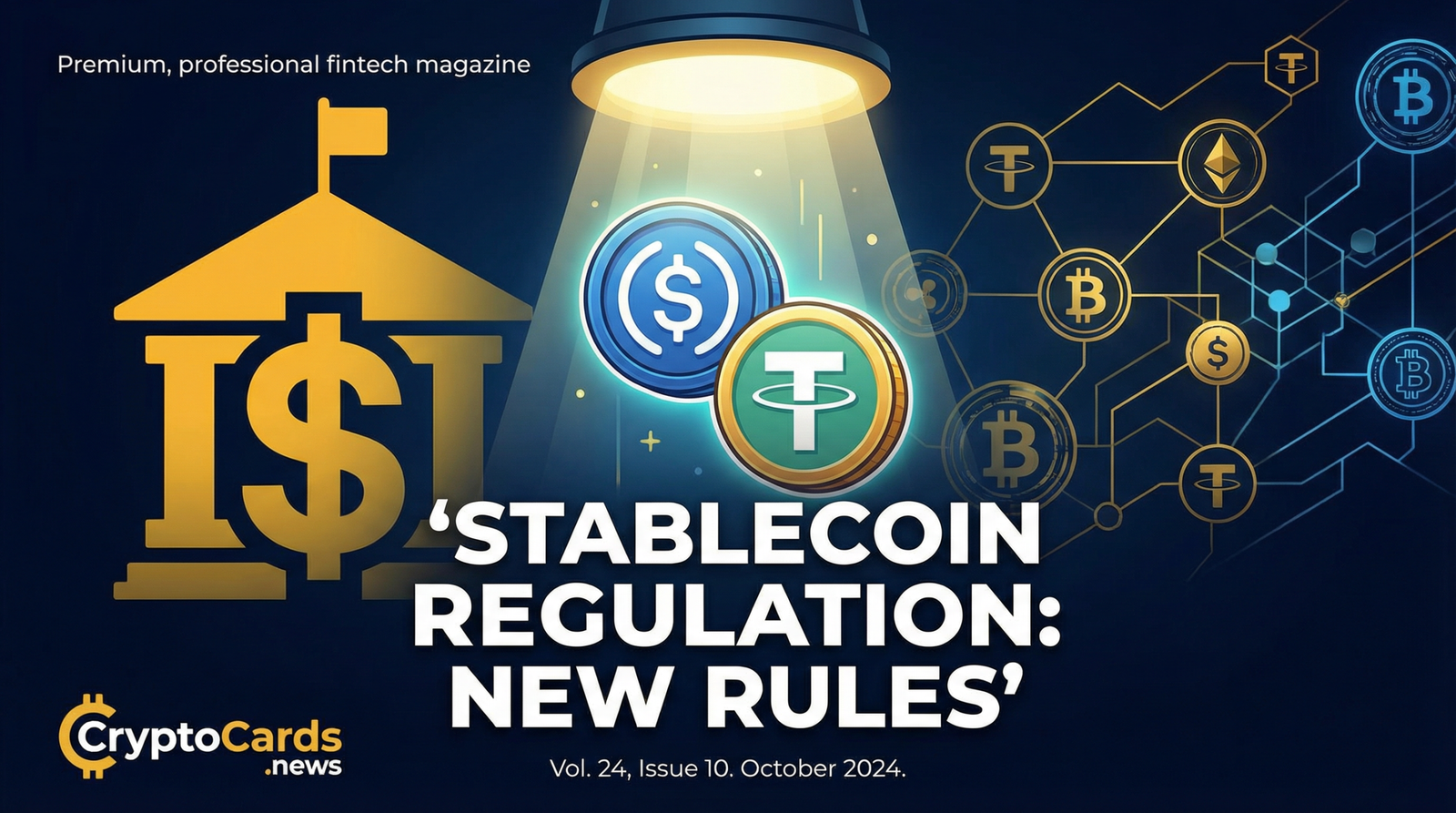
Stablecoin regulations are rewriting the playbook for digital money, promising stability but demanding compliance. In the rapidly evolving world of cryptocurrencies, stablecoins have emerged as digital dollars that blend blockchain innovation with the familiarity of traditional fiat currencies. Since their inception, stablecoins like USDT, USDC, and BUSD have played a critical role in facilitating transactions, providing liquidity, and enabling decentralized finance (DeFi) applications. However, the explosive growth and increasing adoption of these digital assets have not gone unnoticed by regulators worldwide. By April 2026, a new wave of comprehensive stablecoin regulations has taken center stage, aiming to address concerns around consumer protection, systemic risks, and financial stability. These regulatory frameworks are designed to foster innovation while mitigating fraud, money laundering, and the potential for economic disruption. As governments and international bodies crystallize their approaches, the stablecoin landscape is poised for significant transformation.
The context for these regulatory advances stems from a series of high-profile stablecoin failures and growing scrutiny over their underlying reserves and governance. Early in the decade, the lack of transparency about collateral reserves and operational risks raised alarms among regulators, policymakers, and traditional financial institutions. Consequently, global regulatory authorities, including the Financial Stability Board (FSB), the U.S. Securities and Exchange Commission (SEC), the European Union’s Markets in Crypto-Assets (MiCA) framework, and the Basel Committee on Banking Supervision, have introduced stringent requirements to standardize issuance practices and ensure market integrity. These initiatives reflect decades of lessons learned from fiat currencies, shadow banking, and money market funds, now adapted to the distinctive features of blockchain technology. Today’s stablecoin regulations represent a key milestone, harmonizing global standards and shaping the future of digital dollars within a secure and regulated environment.


The Rise of Stablecoins: Catalysts for Regulation
Stablecoins have rapidly evolved from niche crypto projects into a cornerstone of the digital economy. Designed to maintain a 1:1 peg with fiat currencies—primarily the US dollar—stablecoins offer users the ability to transact seamlessly, hedge against volatility, and access cross-border payments with unprecedented speed. Their appeal transcends crypto-native users, with businesses, traders, and payment platforms increasingly integrating stablecoins into their operations. Global transaction volume for stablecoins has surged, reaching several trillion dollars in 2025 alone, underscoring their systemic importance. However, this meteoric rise also exposed vulnerabilities, particularly in how issuers manage reserve assets and risk. Unlike traditional banking systems subjected to decades of regulatory scrutiny, early stablecoins operated in a lightly regulated environment, creating a regulatory gap that hindered oversight and risk management. Consequently, concerns emerged over inadequate backing, redemption risks, and potential contagion effects in case of issuer insolvency.
The lack of regulatory clarity allowed for divergent practices among issuers. Some adhered to conservative reserve models with regular audits, while others maintained opaque collateral compositions that included cryptocurrencies or commercial paper, raising solvency questions during market shocks. Regulators observed that stablecoins, despite their digital novelty, exhibited characteristics akin to money market funds or bank deposits, requiring appropriate supervisory frameworks. Furthermore, their increasing integration with Decentralized Finance platforms compounded systemic risk, amplifying the urgency for coherent rules. Early regulatory proposals aimed at addressing consumer protections, anti-money laundering (AML), and know-your-customer (KYC) compliance began gaining traction by 2024, building momentum for more comprehensive legislation. By placing the spotlight on stablecoin reserves and redemption rights, regulators started closing loopholes to prevent scenarios threatening broader financial stability.
Global Regulatory Frameworks: Harmonizing Standards
In response to stablecoins’ growing market footprint and associated risks, international regulatory bodies have collaborated intensively to devise harmonized frameworks. The Financial Stability Board (FSB) has been pivotal in coordinating efforts among G20 nations, proposing principles aiming to ensure stablecoin issuers maintain robust governance, transparency, and risk management protocols. The FSB’s guidelines emphasize full backing of stablecoins with high-quality liquid assets, regular external audits, operational resilience, and consumer protection mechanisms. Complementing this, the Basel Committee has explored capital requirements for banks exposed to stablecoin-related assets, seeking to mitigate contagion risks. These global principles set a high bar, influencing regional regulators to adopt similar standards that prevent regulatory arbitrage and foster global trust.
Regionally, the United States has taken a leading regulatory stance, with the SEC, Commodity Futures Trading Commission (CFTC), and Federal Reserve jointly publishing final rules in early 2026 treating stablecoin issuers as regulated financial intermediaries. This includes mandatory reserve transparency, periodic stress testing, and adherence to AML/KYC frameworks. Meanwhile, the European Union’s Markets in Crypto-Assets (MiCA) regulation has finalized its stablecoin-specific provisions, requiring licensed issuers to obtain authorization, secure consumer redress rights, and comply with capital buffers. Asia-Pacific regulators, including Singapore’s MAS and Japan’s FSA, have also introduced tailored stablecoin regulatory regimes focused on innovation while managing systemic risk. The convergence of these efforts signals maturation in regulatory thinking, balancing the promotion of innovation with the imperative to safeguard financial ecosystems.
Impact on Issuers and the Market Ecosystem
The new stablecoin regulatory landscape compels issuers to fundamentally rethink their operational models and compliance strategies. Enhanced capital and liquidity requirements necessitate issuers to maintain high-quality reserve assets, shifting many away from riskier collateral like volatile cryptocurrencies or illiquid securities. This likely increases operational costs but boosts investor confidence through greater transparency and financial stability. Issuers are also adopting more rigorous governance frameworks, including independent audits and enhanced internal controls. For decentralized stablecoins, the regulatory environment may impose new challenges around centralized entities’ responsibilities or mandate changes in governance structures to comply with jurisdictional requirements.
From a market perspective, compliance costs may lead some smaller or less capitalized issuers to exit the market, potentially consolidating stablecoin supply among larger, regulated entities. On the other hand, regulation may attract institutional participants wary of unregulated digital assets, increasing adoption and integration with traditional finance. Regulatory clarity benefits exchanges, DeFi platforms, and merchants by reducing counterparty risks and improving consumer protections. However, challenges remain regarding cross-border recognition of licenses and regulatory fragmentation, prompting calls for continued harmonization. Overall, the new rules aim to harness innovation while protecting market integrity and safeguarding against future financial crises sparked by stablecoin failures.
Future Outlook: Stablecoins in a Regulated Digital Economy
Looking ahead, stablecoins are expected to become an integral, rigorously governed component of the global financial infrastructure. The regulatory frameworks enacted by 2026 pave the way for broader acceptance by central banks, commercial banks, and fintech ecosystems. The integration of regulated stablecoins can enhance payments efficiency, reduce transaction costs, and support innovative use cases such as programmable money and smart contracts linked to real-world assets. Furthermore, embedding compliance at the protocol level advances the concept of regulatory technology (RegTech), enabling automated adherence to rules without impeding innovation. This regulatory evolution ultimately fosters trust among consumers, investors, and governments, underpinning the sustainable growth of digital dollar ecosystems worldwide.
However, continued collaboration between regulators, industry participants, and global standard setters remains vital to address emerging challenges such as privacy concerns, technological updates, and financial inclusion. As regulatory frameworks mature, innovations like central bank digital currencies (CBDCs) and tokenized assets converge with stablecoins, creating a complex but promising digital monetary system. Regulators will also need to balance oversight without stifling decentralization or financial democratization. For the global crypto community, the new stablecoin regulations signal a critical inflection point—one that transforms stablecoins from unregulated experiments into trusted digital instruments shaping the future of money and finance.
What This Means for Crypto Users
For everyday crypto users, the unfolding stablecoin regulatory landscape presents a mixed but promising picture. On one hand, clearer rules and stronger safeguards mean enhanced consumer protection, lower risks of sudden losses due to issuer insolvency, and improved transparency into the assets backing their digital dollars. Users can transact with greater confidence knowing stablecoins meet rigorous standards akin to traditional financial instruments. On the other hand, the increased compliance burden may reduce the number of issuers and potentially raise transaction costs in the short term. Yet, this tradeoff ultimately aims to stabilize the ecosystem, fostering long-term growth and institutional integration. As stablecoins become more tightly woven into daily financial activities—from remittances to retail payments—regulated frameworks ensure these digital instruments serve as reliable, safe, and accessible money.
Frequently Asked Questions
What are the primary objectives of recent stablecoin regulations introduced in 2026?
The 2026 stablecoin regulations primarily aim to enhance financial stability by ensuring stablecoins are fully backed by high-quality liquid assets, thereby minimizing the risk of de-pegging. They also focus on improving transparency through mandatory regular audits and disclosures, protecting consumers with clear redemption rights, and reinforcing anti-money laundering (AML) and know-your-customer (KYC) compliance to reduce illicit activities. Additionally, these regulations seek to establish sound governance structures for issuers, including operational resilience and accountability measures, to reduce systemic risks to the broader financial ecosystem. Collectively, these objectives balance fostering innovation with safeguarding market integrity and consumer trust.
How will the new regulations affect stablecoin issuers and their reserves?
Stablecoin issuers will face stricter rules mandating full reserve backing with safe, liquid assets, such as cash or government securities, limiting the use of volatile or illiquid collateral. Issuers will need to implement robust risk management practices, including periodic stress testing, to demonstrate resilience under financial duress. They must also undergo regular independent audits to verify reserve adequacy and enforce transparency. These requirements increase operational costs and compliance complexity, prompting some smaller issuers to exit or consolidate, while encouraging greater market stability and investor confidence. Issuers will also need to adhere to licensing and supervisory regulations, aligning their governance and operational frameworks with traditional financial intermediaries.
What impact do stablecoin regulations have on users and the broader crypto ecosystem?
For users, these regulations enhance the safety and reliability of stablecoins by ensuring they are backed by trustworthy assets and subject to rigorous oversight, reducing risks of sudden loss. Enhanced transparency and consumer protections improve trust and usability for everyday transactions, remittances, and DeFi activities. For the broader crypto ecosystem, regulation introduces greater legitimacy, attracting institutional participants and fostering integration with traditional finance. Conversely, it may increase compliance costs, potentially limiting the diversity of issuers and slowing innovation in the short term. Nonetheless, the net effect promotes a more stable, mature market, improving systemic resilience and paving the way for sustainable growth of digital financial infrastructures.
How do global regulatory efforts ensure consistent stablecoin oversight across jurisdictions?
Global regulatory bodies like the Financial Stability Board (FSB), Basel Committee on Banking Supervision, and G20 have played crucial roles in fostering cooperation and harmonization among national regulators. By establishing common principles on reserve requirements, governance, transparency, and consumer protection, they help standardize expectations and reduce regulatory arbitrage where issuers seek lenient jurisdictions. Regional frameworks like the EU’s MiCA, combined with coordinated U.S. regulations and Asia-Pacific initiatives, reflect alignment with these global standards. Ongoing international dialogue facilitates information sharing, supervisory cooperation, and joint enforcement actions, ensuring stablecoins are consistently and effectively regulated worldwide, despite differing local contexts.
Related Articles
- Top Crypto Exchanges in 2026
- Best Crypto Wallets: Secure Your Digital Assets
- Best Crypto Cards: Maximize Your Spending Power
Stay informed with CryptoCards.news — your trusted source for crypto news, reviews, and guides. Explore our Best Crypto Exchanges, Best Crypto Wallets, and Best Crypto Cards guides.